
shell
ผู้เยี่ยมชม
benducket3211@gmail.com
Could Invisalign Be the Right Choice for a Straighter, Healthier Smile? (3 อ่าน)
30 ก.ย. 2569 21:56
Invisalign has become a popular choice for people who want straighter teeth without the appearance of traditional metal braces. Using a series of clear, removable aligners, Invisalign can gradually move teeth into more desirable positions while allowing patients to maintain their normal daily routines. Its discreet appearance, convenient design, and personalized treatment approach have made clear aligner treatment an increasingly considered option for teenagers and adults.
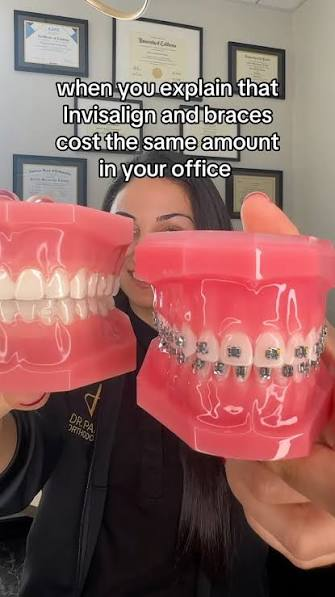
For people dealing with crowded teeth, spacing, crooked teeth, or certain bite concerns, Invisalign may provide an effective orthodontic solution. Unlike conventional braces that use brackets and wires, Invisalign aligners are designed to fit over the teeth and gradually guide them through planned movements. Because the aligners can be removed, patients can continue eating their preferred foods and maintain their regular oral hygiene routine.
An Invisalign consultation with an experienced orthodontic professional is an important first step. During the consultation, the orthodontist can evaluate the alignment of the teeth, discuss treatment goals, and determine whether clear aligners are suitable for the individual's dental needs.
Invisalign Treatment and Its Modern Approach
Invisalign uses a sequence of custom-made clear aligners that are created according to the patient's teeth and planned treatment. Each aligner applies gentle, controlled pressure to specific teeth. As patients progress through the series, their teeth gradually move toward the planned final position.
One of the main attractions of Invisalign is its discreet appearance. The aligners are transparent, which means they are generally much less noticeable than traditional braces. This can be particularly appealing to adults and professionals who want orthodontic treatment without prominent metal brackets.
Clear aligners are also removable, offering greater flexibility during everyday activities. Patients can typically remove their aligners when eating, drinking certain beverages, brushing, and flossing. This design can make maintaining good oral hygiene more convenient compared with fixed orthodontic appliances.
The treatment process begins with an Invisalign consultation and dental assessment. Depending on the patient's needs, the orthodontist may use digital scans, photographs, and other diagnostic information to understand the current position of the teeth. A customized treatment plan can then be developed to address the patient's specific alignment concerns.
The duration of Invisalign treatment varies from person to person. Factors such as the complexity of tooth movement, the patient's age, the condition of the bite, and consistency in wearing the aligners can all influence the overall treatment period. Following the orthodontist's instructions and wearing the aligners as recommended can help keep treatment progressing according to plan.
Benefits of Invisalign for Everyday Life
One of the most recognized advantages of Invisalign is its appearance. Since the aligners are clear, they can provide a more subtle alternative to traditional braces. People who are concerned about the cosmetic appearance of orthodontic treatment may appreciate this feature.
Another important benefit is convenience. Traditional braces remain attached to the teeth throughout treatment, while Invisalign aligners can be removed when necessary. This allows patients to eat a wide variety of foods without having to work around brackets and wires. It can also make brushing and flossing more straightforward.
Invisalign can also be useful for people who want orthodontic treatment that fits into an active lifestyle. Whether someone is working, studying, attending social events, or participating in everyday activities, clear aligners can provide a discreet treatment option.
In addition to improving the appearance of the smile, orthodontic treatment can contribute to better dental function and easier cleaning in appropriate cases. Properly aligned teeth may be easier to brush and floss, while correcting certain bite problems may help improve the relationship between the upper and lower teeth.
However, Invisalign is not automatically suitable for every orthodontic condition. Some complex cases may require other orthodontic approaches, including traditional braces or additional treatment techniques. A professional assessment is therefore important before deciding on clear aligner treatment.
Invisalign Consultation and Treatment Planning
An Invisalign consultation provides an opportunity to discuss concerns, expectations, and possible treatment options with an orthodontist. During the appointment, the orthodontic professional examines the teeth and evaluates their alignment, spacing, and bite.
The consultation can also help patients understand the expected treatment process. Digital technology may be used to create a detailed representation of the teeth and demonstrate the planned movement throughout treatment. This can give patients a clearer understanding of the stages involved in achieving a straighter smile.
Treatment planning is an important part of successful Invisalign care. Every patient's teeth are different, so aligners are designed around individual orthodontic requirements. The orthodontist considers factors such as tooth position, jaw relationship, spacing, crowding, and the desired final alignment when developing the treatment plan.
Patient cooperation is also an important part of clear aligner treatment. Invisalign aligners generally need to be worn for most of the day and removed only when necessary, according to the orthodontist's instructions. Regular appointments allow the orthodontist to monitor progress and make sure treatment is developing as planned.
Good oral hygiene remains essential throughout Invisalign treatment. Teeth should be cleaned regularly before placing the aligners back in the mouth. Keeping the aligners clean and following the orthodontist's care instructions can help support a healthy treatment experience.
Invisalign, Braces, and a Straighter Smile
Invisalign and traditional braces are both orthodontic treatment options, but they use different methods to move teeth. Traditional braces use brackets and wires that remain attached to the teeth, while Invisalign uses removable clear aligners.
For many patients, the decision between Invisalign and braces depends on the complexity of the orthodontic problem, lifestyle preferences, treatment expectations, and professional recommendations. Invisalign may be appealing to people who prioritize a discreet appearance and removable appliances, while braces can remain an appropriate option for a wide range of orthodontic conditions.
The cost of Invisalign can also vary depending on treatment complexity, location, treatment duration, and the orthodontic provider. Instead of relying on a general price estimate, patients should discuss the complete treatment cost during their consultation. Some clinics may also provide payment plans or financing options.
Choosing an orthodontic treatment should focus on individual dental needs rather than appearance alone. A qualified orthodontist can explain the available options and help patients understand the advantages, limitations, expected treatment duration, and care requirements associated with each approach.
Conclusion
Invisalign offers a modern approach to orthodontic treatment for people seeking a more discreet way to straighten their teeth. Its clear, removable aligners can provide flexibility, convenience, and an alternative to traditional braces for suitable cases. From crowded teeth and spacing concerns to certain bite problems, Invisalign may help create a more aligned and confident smile when treatment is appropriately planned.
An Invisalign consultation is the best starting point for understanding whether clear aligners are suitable for your individual needs. With professional evaluation, personalized treatment planning, proper aligner wear, and consistent oral hygiene, patients can work toward their desired smile while maintaining their everyday routine.
43.242.176.55
shell
ผู้เยี่ยมชม
benducket3211@gmail.com