
PDM
สมาชิก
digitalmarketingyt098@gmail.com
Get the Best Cash Price for Gold Necklaces in Sydney (47 อ่าน)
14 ก.ค. 2569 17:37
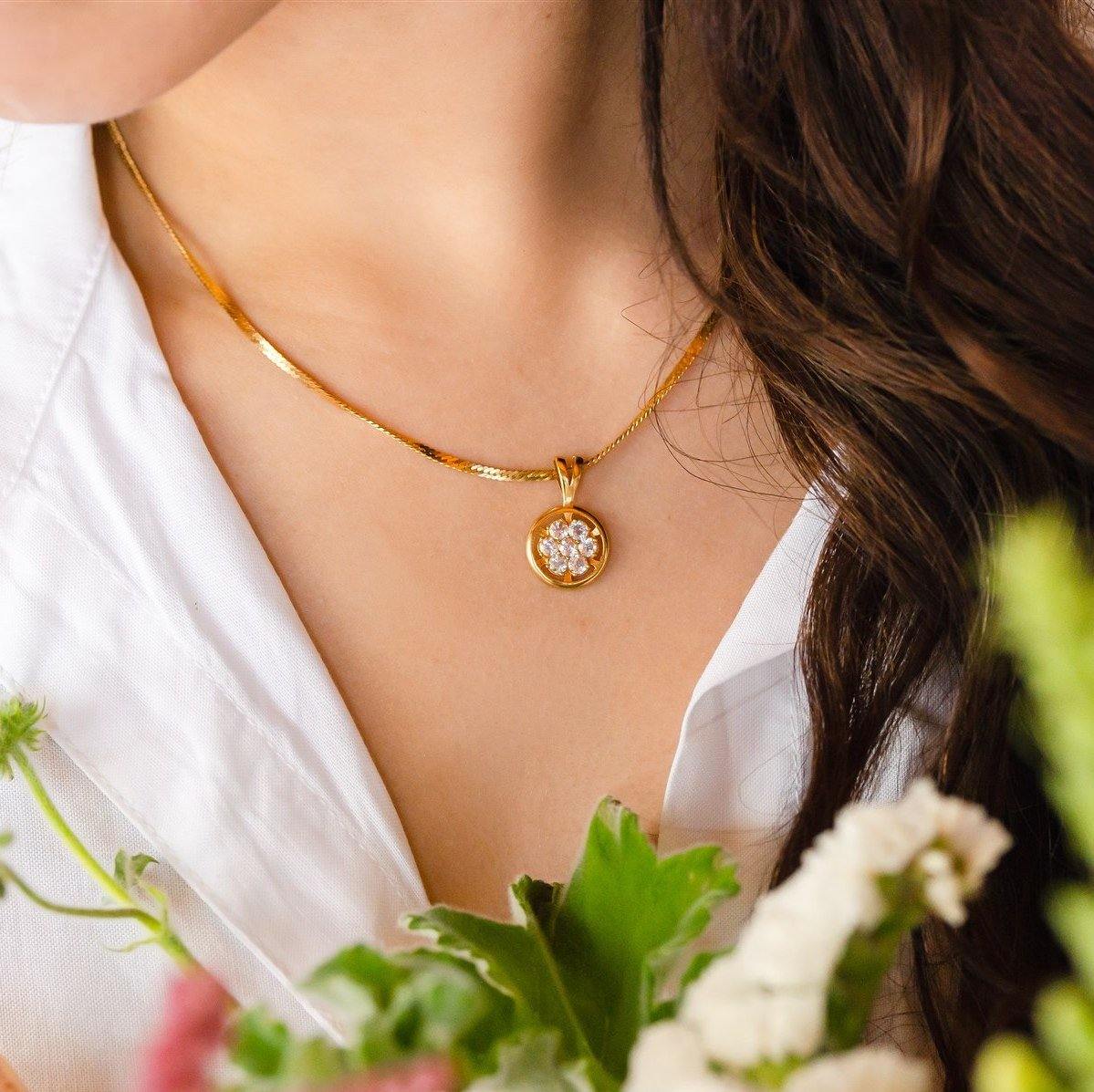
You may want to sell gold necklace for cash after an inheritance or home clear-out. You may also need funds for an urgent expense. However, a quick sale still requires careful checks.
Your necklace may hold value through its gold, design, brand, or gemstones. Understanding these factors helps you judge each offer.
What Determines a Gold Necklace’s Cash Value?
Gold buyers usually check three main details:
The necklace’s weight
Its gold purity
The current gold price
They may then deduct refining costs and their profit margin. Gold purity uses a 24-part scale. For example, 18-carat gold contains 75% pure gold. Twenty-two-carat gold contains about 91.7% gold. Pure 24-carat gold reaches about 99.99% purity. Use this simple formula to estimate the metal value: Necklace weight × purity percentage × current gold price per gram Suppose an 18-carat necklace weighs 20 grams. Its pure gold content equals 15 grams. This calculation works because 18-carat gold contains 75% pure gold. Your final offer will usually fall below the full metal value. The buyer must cover testing, handling, and refining costs. Stones and non-gold parts can also affect the calculation. A buyer may subtract their weight before calculating the gold content.
Check the Purity Mark Before Visiting a Buyer
Inspect the clasp, end tag, or pendant back. You may find a small stamp showing the necklace’s purity. Common marks include:
9-carat gold
14-carat gold
18-carat gold
22-carat gold
Approximately 24-carat gold
These numbers show gold parts per thousand. For example, 750 means 750 parts gold per 1,000 parts metal. A missing stamp does not always mean the necklace is fake. Older jewellery may have worn or damaged marks. Handmade pieces may also lack clear stamps. A buyer can test the metal professionally. Ask the buyer to explain the process before testing begins.
How to Sell Gold Necklace for Cash Safely
Start by recording everything included with the necklace. Note its weight, purity stamp, brand, stones, and condition. Gather any supporting documents, including:
Purchase receipts
Jewellery certificates
Valuation reports
Repair records
Original packaging
These items may support a resale valuation. They matter more for branded, antique, or gemstone jewellery. Next, compare several buyers on the same day. Gold prices change regularly, so offers from different days may not provide a fair comparison. The Perth Mint publishes precious metal prices in Australian dollars. Ask each buyer these questions:
What gold price per gram are you using?
Are you buying the necklace for resale or scrap?
Will you subtract the gemstone weight?
Do you charge testing or refining fees?
Can you provide a written offer?
How will you pay me?
When will I receive the payment?
Watch the weighing process. The scale should face you and show a clear reading. Ask the buyer to weigh different gold purities separately. Mixing them can produce an inaccurate offer. Do not accept pressure to sell immediately. Leave with your necklace if the calculation remains unclear.
Choose Licensed Sydney Gold Buyers
NSW requires second-hand dealers to hold a licence. Licensed dealers must display signs, keep electronic records, and verify each customer’s identity. Before selling, check the business’s:
Registered name
Physical address
Licence details
Contact information
Recent customer reviews
Avoid choosing a buyer based only on an advertised rate. That rate may apply only to pure gold or larger quantities. Reliable Sydney gold buyers should explain each calculation. They should state the weight, purity, gold rate, and deductions. Bring current identification to your appointment. The buyer may request photo identification and address details. Confirm the required documents before visiting.
Understand Scrap Value and Resale Value
A plain or broken chain often sells for scrap value. The buyer focuses on its recoverable gold content. A designer necklace may deserve a resale assessment. Its brand, craftsmanship, age, rarity, and condition may raise its value. An estate jeweller or auction house may suit valuable pieces better. A scrap buyer may ignore their design and brand value. Original boxes and certificates may support a higher valuation. Repair records can also confirm the necklace’s history. Clean the necklace gently before an assessment. Avoid aggressive polishing because it may damage hallmarks or fine details. Consider an independent valuation for antique or branded jewellery. A valuation does not guarantee a sale price. However, it may reveal value beyond the gold content.
What Happens to Diamonds and Gemstones?
Many gold buyers focus only on precious metals. Some may offer nothing for diamonds or coloured gemstones. The Jewellers Association of Australia advises sellers to compare offers before selling. Ask whether the buyer will assess each stone separately. A diamond specialist or jewellery reseller may offer more. Small or damaged stones may add little value. Certified diamonds may attract more interest from specialist buyers. A necklace with a diamond pendant may require a separate assessment. Research may also show information about a round brilliant cut diamond engagement ring. Although the setting differs, the same diamond grading factors apply.
How Many Facets in a Round Brilliant Cut Diamond?
A standard round brilliant diamond contains 57 or 58 facets. The optional 58th facet is the culet at the pavilion’s base. The question how many facets does a round brilliant cut diamond have has the same answer. However, facet count alone does not determine its value. Diamond buyers also assess:
Carat weight
Colour grade
Clarity grade
Cut quality
Treatments
Certification
Physical condition
Ask the gold buyer to return unwanted stones before refining the necklace. Confirm this arrangement before accepting the offer.
Compare Payment Terms Before Accepting
Confirm the final amount before handing over your necklace. Ask for a receipt that lists:
The item description
Total weight
Gold purity
Price per gram
Applied deductions
Final payment amount
Payment method
Cash may suit some transactions. A bank transfer creates a clearer payment record. Check when the funds will arrive. Also ask whether the buyer charges a payment fee. Never mail valuable jewellery without clear written terms. Use tracking, insurance, and secure packaging. Photograph the necklace before shipping. Record its marks, condition, packaging, and parcel weight.
Common Mistakes That Reduce Your Return
Some sellers accept the first offer without checking the calculation. Others compare total offers without checking the price per gram. Another mistake involves selling branded jewellery as scrap. A specialist may value its design, brand, and resale demand. Removing gemstones before an assessment can also cause damage. Let a qualified jeweller inspect the setting first. Do not confuse insurance value with cash value. Insurance valuations often reflect replacement costs. Buyers focus on resale demand or recoverable materials. Sentimental value also differs from market value. Consider whether you may regret selling an inherited necklace.
Final Checklist
<!-- x-tinymce/html -->
Check the necklace’s weight and likely purity. Review the current gold price and estimate its pure gold content. Compare at least two or three written offers. Confirm the buyer’s NSW licence and identification rules. Ask how the buyer values gemstones, design, condition, and brand. Review every deduction before accepting payment. A clear process helps you protect your jewellery’s value. It also helps you understand exactly how the buyer calculated your payment.
182.185.220.236
PDM
สมาชิก
digitalmarketingyt098@gmail.com